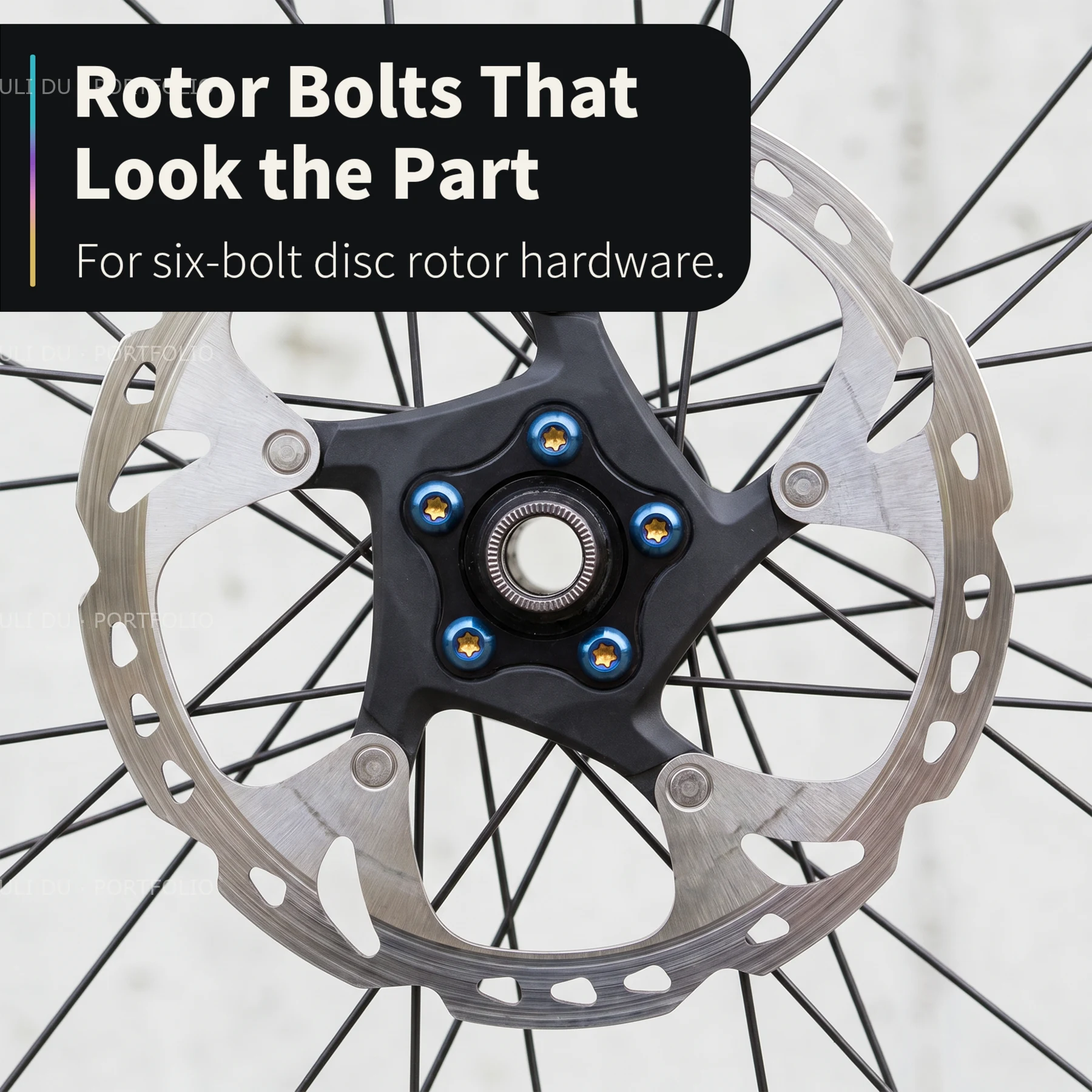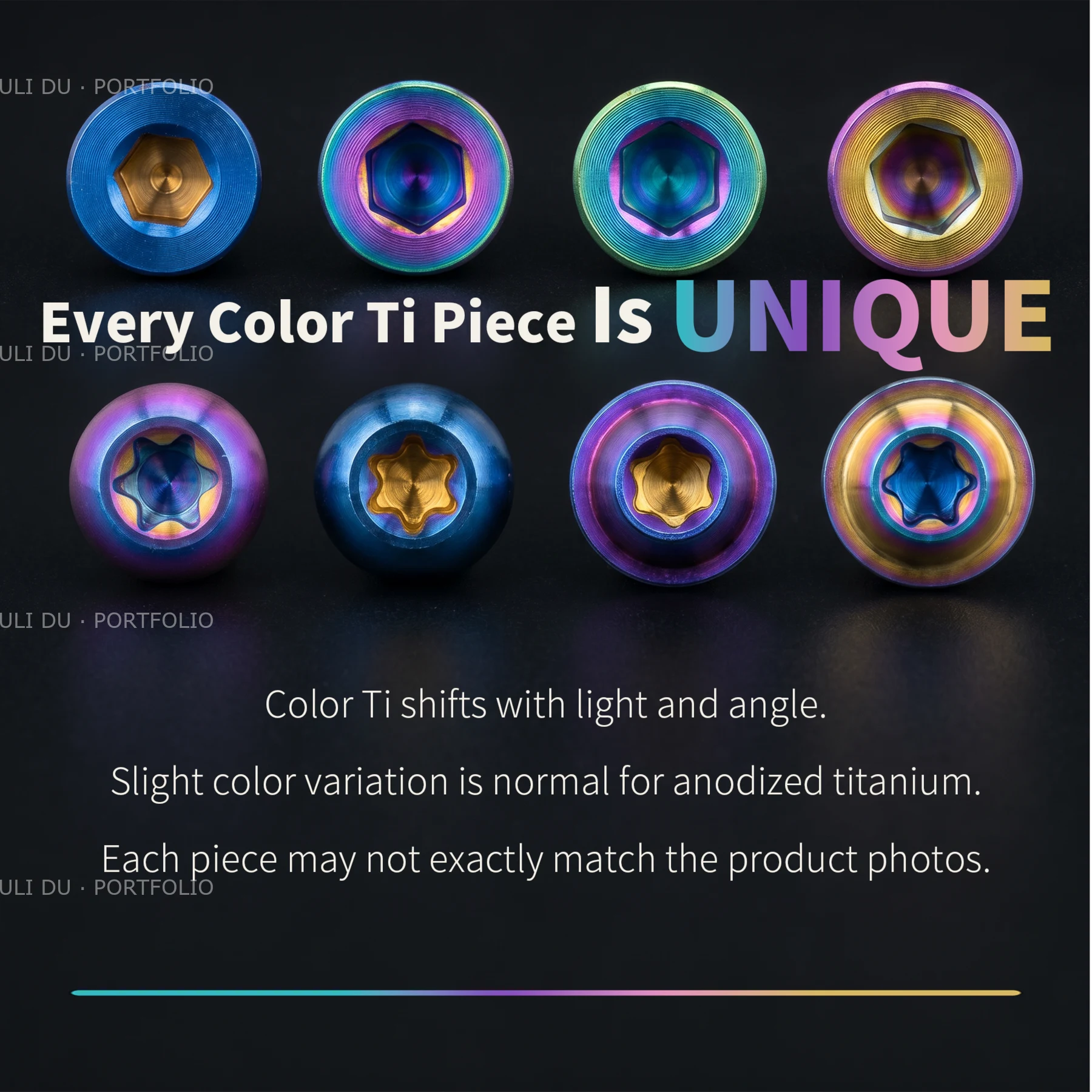
Connecting brand expression, product information and production requirements
Fasteners are small, but the buyer has a lot to check: application, specification, length, color, bundle quantity and installation precautions. Material and color claims cannot replace those decisions. When packaging, product images and the website are developed separately, the same item can also end up being described differently.
I connected the brand, visuals, packaging, product pages and bill of materials (BOM), so consumer information and team production requirements refer to the same products. These assets have now been delivered in stages.
Customers need them to understand and choose products; the team needs them to make and check materials. Both should work from the same product information.
Looking beyond the current material proposition
Early positioning centered on titanium fasteners. In brand discussions, I argued against letting the current material and product range define the brand’s long-term boundaries, or treating bicycle and motorcycle users as having identical needs.
Research and positioning therefore moved beyond material and color to use cases, vehicle or application groupings, evidence of expertise, and how the buying journey helps users make decisions.
This leaves room for future development. Current products keep moving forward while long-term positioning is researched and tested. Visuals and copy describe only capabilities supported today. The brand serves the products at hand without turning an untested direction into a fixed promise.
Giving each asset a buying question to answer
I separated the business tasks of different assets before producing them with an Agent. Context images explain use; main images show the item clearly; dimension cards and installation guidance support specification checks and precautions.
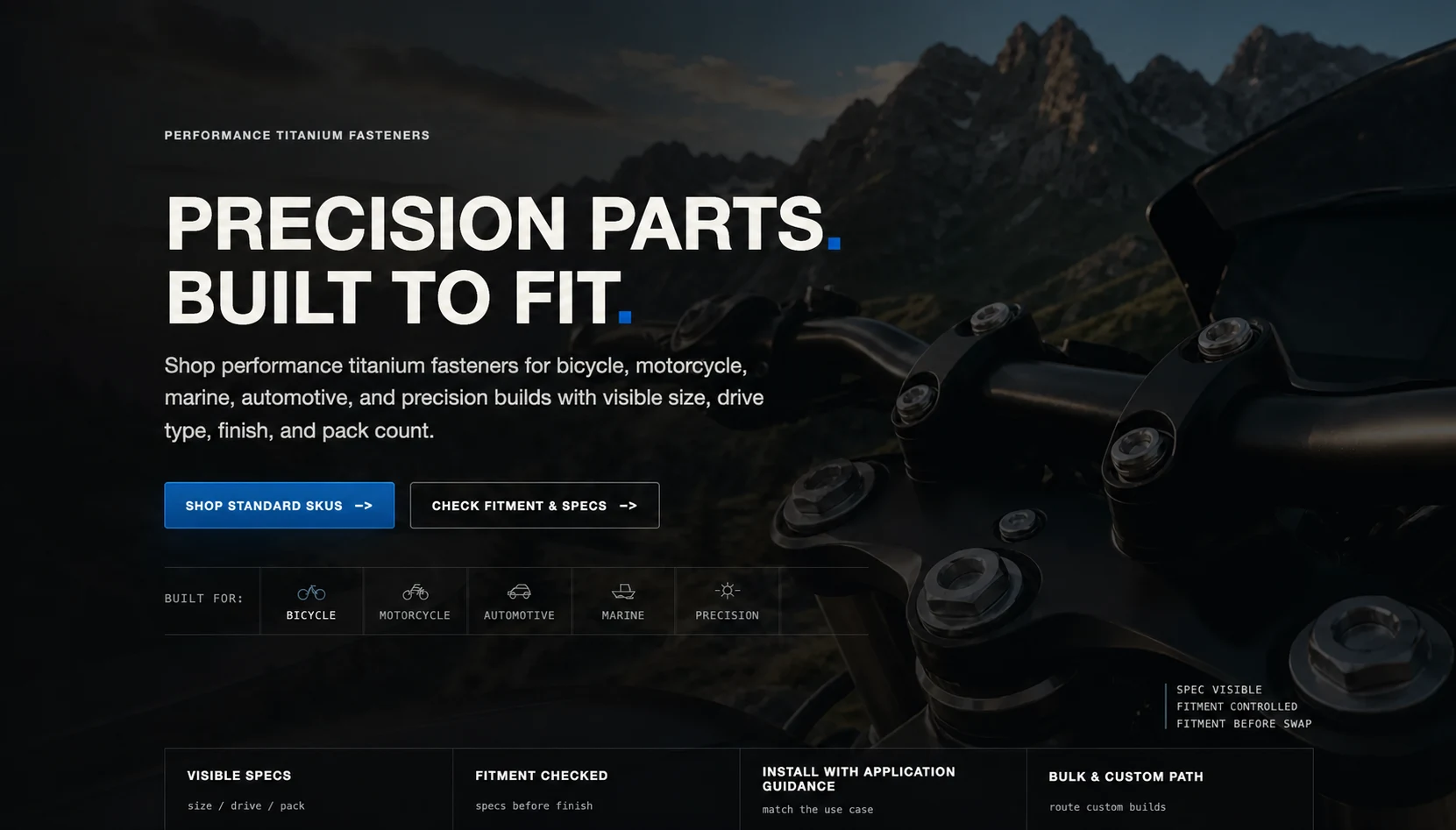
The website organizes information around selection, specifications, installation and bulk requirements. Images are matched to variants, lengths, colors and bundle quantities so what the user sees agrees with what they select.
Logo, color and layout rules carry across the website, packaging and product content. Related products use repeatable production rules, so each addition or update does not require a new visual system.
When reviewing visuals, I check whether they explain the item, help someone choose, and remain consistent with the other materials.
Linking what is shown to what it contains
Working with an Agent, I established a complete BOM linking finished products, required materials, packaging and demand. Packaging is therefore tied to specific products, components and sales combinations as well as an appearance.
Packaging configurations are checked for each bundle. Materials with an unconfirmed scope of use do not enter standard requirements. When a design changes, the team can follow these relationships to identify affected products and materials instead of relying on chat history.
The relationships between products, packaging and production requirements also provide a reference for future changes and handoff.
Keeping public presentation aligned with the actual product
AI-generated product images need to be checked against the physical item for structure, color and quantity. Dimensions, labels and readable text use controlled typesetting and review. Context images explain a setting; they are not precise fitment evidence.
Publication checks cover product images, specifications and sales combinations together. Unsupported fitment claims, safety performance or installation parameters are not added. Product information leads the presentation, rather than an attractive image determining what is claimed about the product.
My contribution and the current stage
I connected brand decisions, product information and digital delivery, working with an Agent on positioning discussions, the logo and visual identity, packaging, design requirements, product and main images, the website and BOM. The team handles product selection, supply chain, channel operations, shipping and customs clearance.
The current result is a brand, content and production foundation organized around the same products. Externally, it supports understanding and selection; internally, it supports production, change checks and maintenance. Any public BOM presentation excludes costs, suppliers, inventory and purchasing details.
The website and finished visuals demonstrate interim delivery. They do not validate the long-term positioning or complete business model, nor prove increased sales, fewer returns or improved profit.